
"pulped natural"
3000 article(s) found

Brief introduction of Brazilian pectin sun-dried coffee beans
Following Cafe Review (official Wechat account vdailycom) found that Beautiful Cafe opened a small shop in Brazil pectin sun drying coffee beans, the most widely used in Brazil; the drawback of the sun method is easy to mix defective beans, the appearance of poor appearance between beans dry treatment (secado), also known as natural full-time drying (natural). Sunburn is one of the ways to treat coffee fruits.

Coffee refining methods are mainly divided into three categories.
There are a pair of oval seeds in the center of the fruit of the coffee tree, which are covered with exocarp, endocarp and pulp. Ripe fruit will rot in a short period of time without treatment, so the purpose of refining is to enable coffee beans to be preserved for a long time, easy to store and circulate. After the fresh coffee fruit is harvested, it should be dealt with immediately. Refining is to remove the skin and pulp of the coffee fruit, and then take the seeds.

Introduction of Coffee treatment introduction of semi-washing honey treatment of coffee beans by drying method
Water washing is the most popular treatment method at present, and most boutique coffee beans will choose water washing method. Washing coffee refining process: harvesting storage tank (removal of impurities and immature beans) pulp removal machine (removal of pulp and impurities) fermentation tank (removal of mucous membrane attached to endocarp) washing pool (selection of light and hard beans) sun drying field (or dryer) sheller (

Coffee beans sun or water wash which is good Ethiopia sun red cherry full tropical fruit flavor
Professional coffee knowledge exchange more coffee bean information please follow the coffee workshop (Wechat official account cafe_style) front street-Yejia Xuefei sun red cherry brief introduction Natural Process will harvest coffee fruit exposed to the sun for 2 weeks, when the peel is dry to a certain extent, remove the peel and pulp, part of the pulp will adhere to the raw beans; in roasting and ripening

Brazilian Fazenda Colina Manor Coffee Flavor characteristics Brazilian Coffee taste
Professional coffee knowledge exchange more coffee bean information please follow the coffee workshop (Wechat official account cafe_style) Mr. Fazenda Colina Hudson Vilela has many years of agricultural experience and has developed the vision of growing specialty coffee in Brazil. He likes to work with his sons and incorporate them into his plan. In 1999, Hudson Vilera bought Fazendarko.

Effect of Deep roasting Black Honey treatment on Flavor of Costa Rican Coffee
Professional barista communication please follow the coffee workshop (Wechat official account cafe_style) Costa Rican black honey treatment this roast: deep roasting (bean flavor) sweet and nutty aroma (coffee) mild sweet aroma, like chamomile sweet texture smooth, overall mild when I want to spend my leisure time bitter

What are the basic treatment methods of coffee fruit?
There are a pair of oval seeds in the center of the fruit of the coffee tree, which are covered with exocarp, endocarp and pulp. Ripe fruits FB in a short period of time without treatment, so the purpose of refining is to enable coffee beans to be preserved for a long time, easy to store and circulate. After the fresh coffee fruit is harvested, it should be dealt with immediately. Refining is to remove the skin and pulp of the coffee fruit, and then take out the seeds.

Description of Flavor of Coffee beans treated with Solar Water and Honey introduction of Grinding scale in production area
Description of Flavor of Coffee beans treated with Solar Water and Honey this method is very common in Brazil. The natural washing method is very similar to the water washing method, except that the natural washing method uses a high-pressure washing machine to remove the mucous membrane of the coffee surface, thus skipping the fermentation process. Several coffee and raw bean processing companies in Brazil and Colombia have applied for this method

The processing method of high-quality coffee beans how to turn coffee fruits into coffee beans?
There are a pair of oval seeds in the center of the fruit of the coffee tree, which are covered with exocarp, endocarp and pulp. Ripe fruit will rot in a short period of time without treatment, so the purpose of refining is to enable coffee beans to be preserved for a long time, easy to store and circulate. Figure (1) Coffee fruit Coffee fresh fruit should be dealt with immediately after being harvested. Refining is to remove the peel and pulp of coffee fruit

The characteristics of Costa Rican honey treatment have an in-depth understanding of white honey, yellow honey, red honey and black honey
Coffee Honey Red Honey processing Costa Rican Honey? Coffee? What's the difference? We all know that all good Costa Rica have one thing in common: extremely pure, extremely soft, extremely balanced and even mellow, so neither high nor low! But this summer, this bean is really extraordinary! Pure and gentle, of course, but the mellow is three layers higher and rich.

The method of dealing with high-quality coffee beans
There are a pair of oval seeds in the center of the fruit of the coffee tree, which are covered with exocarp, endocarp and pulp. Ripe fruit will rot in a short period of time without treatment, so the purpose of refining is to enable coffee beans to be preserved for a long time, easy to store and circulate.

Step Analysis of Wet treatment of Coffee after picking
As the harvest season is almost over, I would like to add an overview of the coffee processing process. In this blog post, I will introduce to you the steps of wet treatment in Yunnan after coffee picking. After harvest, the berries are either sent directly to the pulp collector (if the harvest is done well), or concentrated in a siphon tank filled with water. The berries are here.
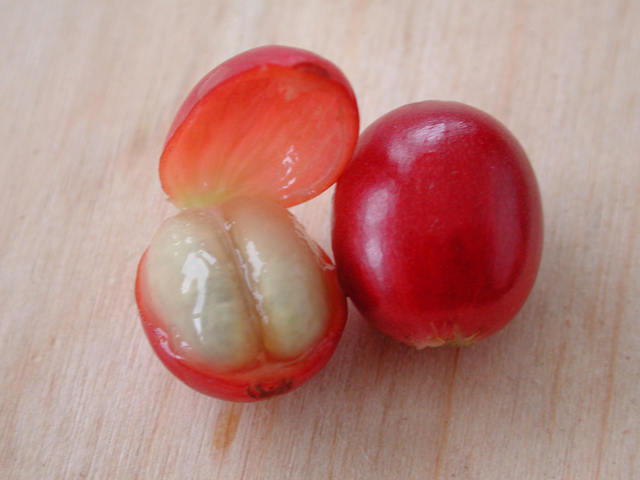
The treatment process from Coffee Fruit to Coffee Raw beans after picking Coffee Fruit
There are a pair of oval seeds in the center of the coffee fruit, which are covered with outer skin, endocarp and pulp. Ripe fruits rot in a short period of time without treatment, so the purpose of refining is to preserve coffee beans for a long time so that they can be stored and circulated. Refining is to remove the skin and pulp of the coffee fruit, and then take out the seeds. The general methods of refining are drying, washing, and
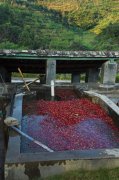
Wet treatment methods and steps of Yunnan coffee beans
As the harvest season is almost over, I would like to add an overview of the coffee processing process. In this blog post, I will introduce to you the steps of wet treatment in Yunnan after coffee picking. After harvest, the berries are either sent directly to the pulp collector (if the harvest is done well), or concentrated in a siphon tank filled with water. The berries are here.
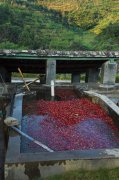
Wet treatment methods and steps of Yunnan coffee beans
As the harvest season is almost over, I would like to add an overview of the coffee processing process. In this blog post, I will introduce to you the steps of wet treatment in Yunnan after coffee picking. After harvest, the berries are either sent directly to the pulp collector (if the harvest is done well), or concentrated in a siphon tank filled with water. The berries are here.

Origin, characteristics, flavor and producing areas of Salvadoran coffee
a. Washing type / non-washing type: in the sink, after rubbing with water and utensils, the pulp and gum are removed and dried, which is called washed coffee beans with uniform quality. Non-washing type: after the sun is naturally dried, the pulp and peel is removed by a sheller, and its quality is unstable. b. The fruit of flat bean / round bean coffee is made up of two oval seeds opposite each other. The connected side

Rich citrus and pulp in Tchembe N2 L7Yirgacheffe (Yega Snow) producing area
Origin of the name: although the 2013 Tchembe is made from Yega Chet, it is named after haricho and bolo coffee from the Amaro Mountains, which are tanned with carob and banana flavors. Tchembe coffee has a thick feel similar to clay and chocolate, as well as rich layers of citrus and berry flavors. Ninety of origin + Ethiopia

Methods and steps of wet treatment of Yunnan coffee beans
As the harvest season is almost over, I would like to add an overview of the coffee processing process. In this blog post, I will introduce to you the steps of wet treatment in Yunnan after coffee picking. After harvest, the berries are either sent directly to the pulp collector (if the harvest is done well), or concentrated in a siphon tank filled with water. Here are the berries.

Wet treatment methods and steps for processing Yunnan Coffee beans
As the harvest season is almost over, I would like to add an overview of the coffee processing process. In this blog post, I will introduce to you the steps of wet treatment in Yunnan after coffee picking. After harvest, the berries are either sent directly to the pulp collector (if the harvest is done well), or concentrated in a siphon tank filled with water. The berries are here.